Pulse
A Costly Comeback
Inflation is back, oil markets remain uncertain, and Pakistan is borrowing big. But amid the pressure, manufacturing is picking up and investor confidence is showing signs of life. Here’s what happened this week and what to watch next.
Another Week, Another Pulse!
It was a week of expensive oil, expensive borrowing and an inflation number Pakistan really didn’t want to see. But just when things looked gloomy, factories started showing signs of life and global investors lined up to lend Pakistan $3 billion. Add a still unpredictable Iran conflict to the mix, and the week ahead has plenty to watch.
🌍The World Is Still Watching Oil
The Iran conflict continues to keep oil markets on edge, with disruptions to exports through the Strait of Hormuz adding another layer of uncertainty.
OPEC+ is expected to keep its October oil output policy unchanged at its upcoming meeting, as members work out new production quotas. But this time, the group’s decisions may have less influence than usual. With the conflict affecting oil flows directly, supply decisions alone may not be enough to calm the market.
Iran, meanwhile, shows no signs of backing down. Its army chief, Major General Ali Abdollahi, said Tehran would not give in to pressure from the United States and that Washington’s economic and psychological pressure would fail.
For everyone watching fuel prices, inflation and markets, what happens in the region could matter just as much as what happens at home.
🇵🇰 Inflation Is Back
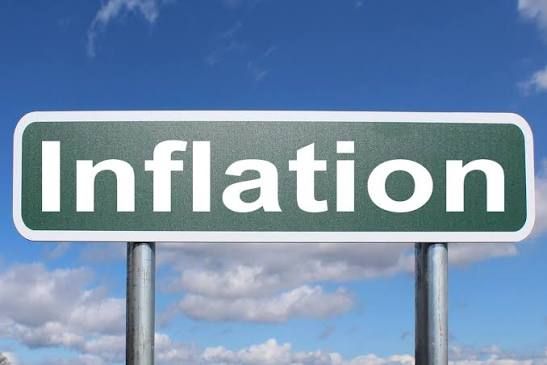
Pakistan’s inflation story took an unwelcome turn in August.
Consumer inflation jumped to 11.2%, returning to double digits after just one month. Higher fuel costs and rising food prices, particularly wheat, were among the key drivers.
There was a small bright spot. Weekly inflation measured by the Sensitive Price Indicator (SPI) eased to 8.35% year on year in the week ending September 3, down from 9.04% the previous week.
But consumers are clearly feeling the pressure. Pakistan’s Consumer Confidence Index fell 24.4% to 65.3 in Q3 FY26, its sharpest single cycle decline in recent years. In simple terms, people are feeling considerably less confident about the economy and their own financial situation.
💵 Pakistan Borrows Big
Pakistan made a major return to international debt markets this week, raising $3 billion through a dual tranche Eurobond with five and ten year maturities.
The deal was significant for two reasons. It was Pakistan’s largest ever international bond transaction in a single deal, and investors placed almost $6 billion worth of orders.
That demand is an encouraging sign following recent sovereign rating upgrades. But borrowing internationally does not come cheap, with the bonds carrying profit rates ranging from 7.9% to 8.25%.
At home, the government also raised Rs680 billion through Market Treasury Bills, falling short of its Rs800 billion target despite receiving bids worth a massive Rs2.77 trillion.
And the debt story does not end there. Pakistan’s federal government debt increased 6.6% year on year to Rs83.383 trillion in July 2026.
📦 Imports Are Running Ahead
Pakistan’s trade deficit widened 18% to $7.1 billion during the first two months of FY27, as imports grew faster than exports.
That number is particularly worth watching because the deficit is more than twice the amount Pakistan just raised through its $3 billion Eurobond.
There was better news on one front. Pakistan’s trade deficit with Gulf countries narrowed in the first month of FY27, helped by lower imports and modestly higher exports.
🏭 But Factories Are Finally Moving
Not everything was gloomy.
Pakistan’s large scale manufacturing sector grew by approximately 6.5% in FY26, after contracting the year before. The improvement was fairly broad, with 16 out of 22 major industrial groups recording growth.
That could be an important sign that industrial activity is beginning to recover.
The cement sector, however, remained under pressure. Cement dispatches fell 0.7% year on year in August, declining from 4.068 million tonnes to 4.039 million tonnes.
So while the broader manufacturing picture is improving, the recovery is clearly not happening evenly across every industry.
🧾 The Government Wants to Make Business Easier
The government is pushing ahead with tax and structural reforms aimed at reducing the burden on businesses, exporters, salaried individuals and small traders.
A major part of the plan is to make the FBR more transparent, technology driven and focused on facilitating taxpayers rather than simply collecting more revenue.
The government is also looking to broaden the tax base, improve collection efficiency and use digitalisation and greater private sector participation to bring more people into the formal tax system.
For exporters and importers, a proposed business facilitation centre could bring port related services under one roof, with the aim of cutting delays and making trade procedures smoother.
⛽ Fuel Prices Could Be Heading for a Bigger Change
Pakistan’s fuel pricing system may be in for another major overhaul.
The government is reportedly unlikely to operationalise the recently created Petroleum Prices Stabilisation Fund and is instead considering further changes to the pricing mechanism, including complete deregulation of petrol by June 2027. High speed diesel could follow later.
Meanwhile, OGRA has notified higher wellhead gas prices of up to 16% for the second half of 2026, with fields operating under the Petroleum Policy 2012 seeing an average increase of around 10%.
Consumers are already responding to higher fuel prices. Sales by Pakistan’s oil marketing companies fell 3% year on year and 16% month on month to 1.3 million tonnes in August.
🏦 More Digital Finance, More IMF Questions
The State Bank of Pakistan is continuing efforts to build a more trusted and accountable digital financial ecosystem, as digital payments and financial services become an increasingly important part of the economy.
The central bank also reduced its purchases from the interbank foreign exchange market to $154 million in May, the lowest monthly amount since January 2025.
Meanwhile, the IMF remains part of the bigger economic picture. A Senate finance subcommittee has urged the government to renegotiate plans to phase out Pakistan’s Export Processing Zones and Special Economic Zones by 2035, warning that the move could hurt industrial activity, exports and investment.
📅 Key Events to Watch!
📆 September 10, 2026💵 Foreign Exchange Reserves Update
📆 September 11, 2026 🛒 Weekly Sensitive Price Index (SPI) Release
STOCK MARKET
It was another tough week for Pakistan’s stock market. The KSE 100 Index fell 1.3% week on week to close at 175,329 points, as renewed US Iran tensions and rising crude oil prices kept investors cautious.
The market started the week under pressure, with the index declining through the first few sessions. Corporate earnings and buying from local investors provided some support, helping the market recover modestly toward the end of the week. However, the rebound was not enough to offset the earlier losses.
For the week ahead, investors will be watching oil prices, developments around the US Iran conflict and whether local buying can give the market enough support to turn things around.
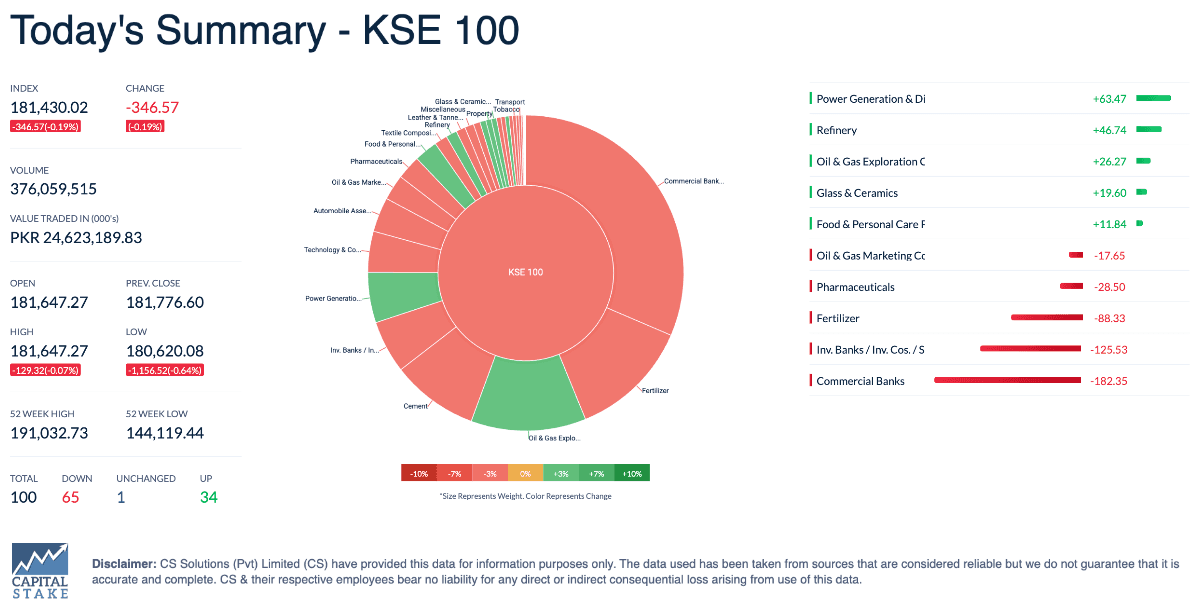
Credits: StockIntel
FUNDS IN VIEW
Have you noticed your grocery bill climbing faster than usual this month? 🤔 You're not imagining it.
What happened:
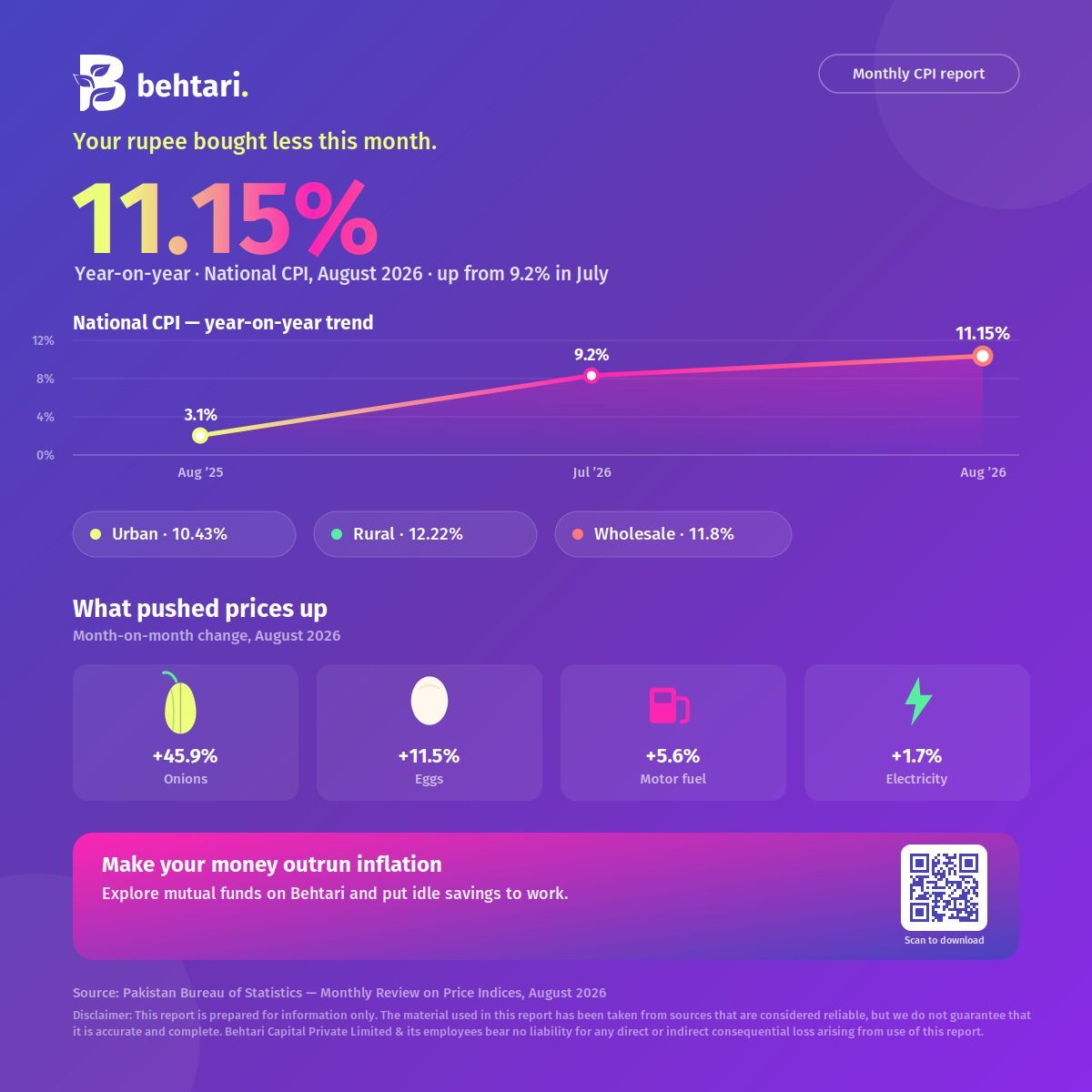
Pakistan's headline inflation jumped to 11.15% year-on-year in August, sharply up from 9.2% in July.
What drove it: Onion prices alone rose 46% in a single month, eggs climbed 11.5%, and rising fuel costs pushed transport and logistics higher across the board. Rural households felt it hardest, prices there rose 12.22%, compared to 10.43% in cities.
What it means for your pocket: if your savings are earning less than 11% a year, they're quietly losing value every month. That's not a small gap, it's real money slipping away while it sits idle.
The fix isn't complicated. It's putting your savings somewhere built to outpace inflation, not lose to it.
Start growing your money on Behtari today!
App Store: https://tinyurl.com/bddmfhpv
Google Play: https://tinyurl.com/2dte4wjw
👀 What Should You Watch This Week?
The story going into the new week is not simply good or bad.
Inflation is putting pressure on households. Fuel and energy costs remain a concern. The government is borrowing heavily. But manufacturing is recovering, international investors showed strong demand for Pakistan’s bonds, and reforms aimed at improving the business environment are moving forward.
And then there is oil.
With the Iran conflict still unfolding and OPEC+ preparing to make its next move, developments abroad could quickly find their way into Pakistan’s fuel prices, inflation and markets.
So this week, keep an eye on oil, inflation, the rupee, government borrowing, industrial activity and the next steps on economic reforms. The numbers may tell one story, but how they move together will tell us where Pakistan’s economy is really heading.