Pulse
Between War and Recovery
A week of geopolitical tensions, rising costs and economic reforms as Pakistan navigates global uncertainty while looking for new opportunities at home.
Another Week, Another Pulse!
Another week brought a familiar mix of pressure and progress for Pakistan. The Middle East conflict continued to threaten oil and shipping, exporters were hit by rising freight costs and inflation remained elevated. Yet beneath those challenges, the country’s external position showed some resilience, while reforms and new initiatives began opening up possibilities for longer-term growth.
From Tehran to Karachi, the Middle East Still Matters
The US-Iran conflict remains unresolved, with diplomacy continuing alongside threats of further sanctions. Pakistan is also trying to help revive talks, with the army chief expected to travel to Tehran. For Pakistan, however, the real concern goes beyond diplomacy. Any prolonged disruption around the Strait of Hormuz could quickly push up oil and shipping costs, making its way into imports, transport and eventually everyday prices.
That pressure is already being felt. Export-oriented industries reported sharply higher sea freight charges and limited shipping space following a nine-day transport strike, with losses estimated at around Rs450 billion. For businesses already dealing with higher costs, another rise in freight is unwelcome news. Households are facing their own pressure, with weekly inflation remaining high at 9.66%, driven in part by energy and food prices.
The Economy Is Showing Some Breathing Room
Not everything was moving in the wrong direction. Foreign exchange reserves stood at around $22.5 billion, while the current account deficit narrowed to $328 million in July from $814 million in June. Pakistan has also sought a US Exchange Stabilisation Support Facility to strengthen the rupee and reduce reliance on repeated debt rollovers. These numbers offer some breathing room, even if they do not remove the pressures facing the economy.
But stability does not mean the problems have disappeared. Treasury bill yields reached close to 12%, reminding us that the government is still borrowing at a significant cost while carrying a heavy debt burden.
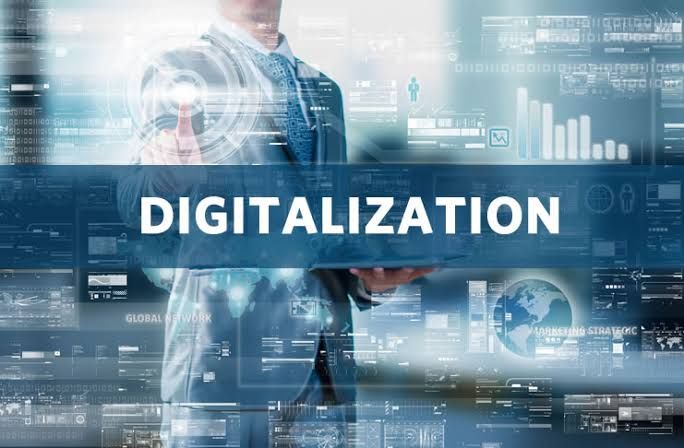
The government is also looking to make the state more efficient. Prime Minister Shehbaz Sharif has directed the digitalisation of government records, while governance reforms are being pushed across state-owned enterprises.
Reforms Are the Real Test
This is where the bigger question lies: can Pakistan turn short-term stability into lasting improvement? Its IMF-linked governance reforms remain a work in progress. Only four of 19 actions due by the end of June were fully completed, while 12 were partially implemented. The government has nevertheless tightened rules for state-owned enterprise boards and is considering stronger agricultural income tax measures.
Energy is another area where announcements will need to turn into results. The government plans to settle Rs1.49 trillion of the Rs3.6 trillion gas-sector circular debt and has approved a long-term energy plan aimed at making electricity more affordable and cleaner. The ambition is significant, but for businesses and households, the question is simpler: when will these reforms start showing up in their bills?
The government also plans to extend the defect liability period for public projects from one year to three, with a longer-term target of five years, in a bid to improve infrastructure quality.
New Opportunities Are Taking Shape
At the same time, Pakistan is trying to build new sources of growth rather than simply manage old problems. A licensing framework for virtual assets has been introduced, with existing operators given until September 5 to apply. The government is also preparing a “Made in Pakistan” policy for electronics and an AI-enabled digital ecosystem for trade, while looking to expand Pakistani halal businesses into international markets. These are early steps, but they point towards a broader push to bring more activity into the formal economy and build local industries.
There were positive developments for consumers and financial markets too. Auto loans rose 35.2% year-on-year to Rs386 billion in July, while the State Bank extended the maximum housing finance tenor from 20 to 30 years. The IFC and Bank Alfalah also signed a $100 million financing agreement under Pakistan’s first Diversified Payment Rights programme, bringing another source of foreign currency financing into the country.
Meanwhile, the State Bank raised around Rs498 billion through treasury bills against a Rs500 billion target, while the government raised Rs144 billion through a Hybrid Sukuk auction. Oil marketing companies are seeking higher margins as costs and receivables rise, while the government is considering a fixed tax on agricultural income if provinces miss their targets.
Government spending is also under scrutiny, with federal fuel expenditure reaching nearly Rs22 billion, up 39% even before the Middle East conflict began.
The takeaway for the week ahead? Pakistan has gained some breathing room, but the hard part is turning stability into growth while managing inflation, energy costs, debt and geopolitical risks.
📅 Key Events to Watch!
📆 August 27, 2026 💵 Foreign Exchange Reserves Update
📆 August 28, 2026 🛒 Weekly Sensitive Price Index (SPI) Release
Note: These dates are tentative and subject to change. Credits: Pulse by Capital Stake
STOCK MARKET
Pakistan’s stock market closed the week on a softer note, with the benchmark KSE-100 index settling at 177,167, down 2,938 points, or 1.63% week-on-week. Lingering uncertainty around the US-Iran conflict, along with domestic political noise, kept investors cautious and weighed on sentiment.
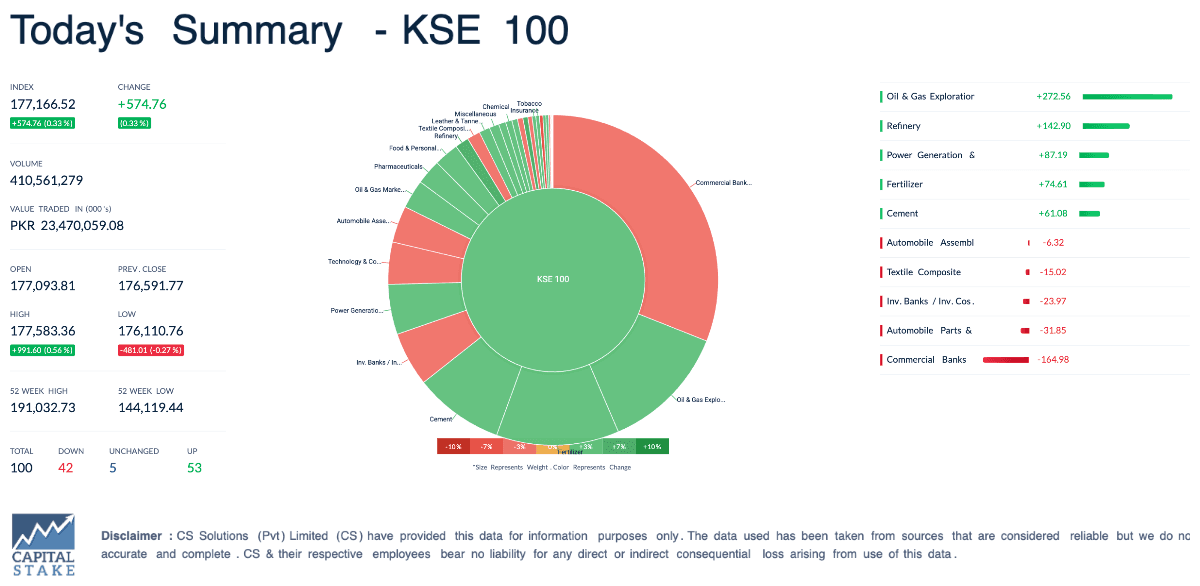
Credits: StockIntel
So, What Should We Watch This Week?
So, what should we watch this week? The Middle East remains the biggest variable. Any movement in US-Iran negotiations, the Strait of Hormuz or regional shipping could quickly feed into oil prices, freight costs and inflation in Pakistan.
At home, inflation, reserves, the rupee, interest rates and the current account will remain key indicators. But the bigger story is whether Pakistan can turn the breathing room it has gained into lasting economic growth. That will depend less on announcements and more on whether reforms actually make their way into the economy.