
Pulse
🌍 Conflict ⛽ Oil 📉 Markets
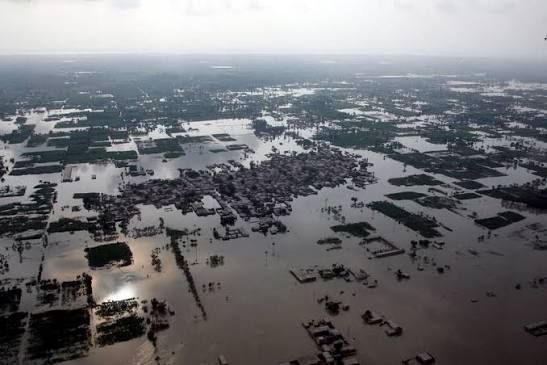
Oil crossed US$100, Pakistan earned a credit rating upgrade, and the KSE-100 extended its losing streak. Here's your weekly Pulse, bringing you the stories that matter most to your money and the week ahead.
Another Week, Another Pulse!
While Pakistan battled heavy monsoon rains, global markets found themselves navigating another storm altogether. Escalating tensions between the United States and Iran rattled investor confidence, pushed oil prices sharply higher, and reignited concerns over inflation and global economic stability. Although a temporary pause in hostilities has brought some relief, the situation remains far from settled, with investors keeping a close watch on every new development.
The conflict sent Brent crude oil above the US$100 per barrel mark during the week, raising concerns about global energy supplies and the potential impact on inflation. Given Pakistan's reliance on imported fuel, higher oil prices could translate into increased pressure on inflation, the country's import bill, and foreign exchange reserves if tensions persist.
Despite the uncertain global backdrop, Pakistan received some positive news. S&P Global upgraded the country's long-term sovereign credit rating from B- to B, citing improved political stability and continued economic reforms. The State Bank of Pakistan's foreign exchange reserves also increased to US$17.26 billion, reflecting a gradual improvement in the country's external position. As foreign exchange availability improved, multinational companies were able to repatriate over US$2.3 billion in profits and dividends during FY2025-26, signalling easing payment bottlenecks.
Attention now shifts to the State Bank of Pakistan's Monetary Policy Committee meeting scheduled for this week. Most analysts expect the policy rate to remain unchanged as policymakers weigh the impact of rising geopolitical risks, higher oil prices, and inflation before making any changes to interest rates.
Domestically, consumers continued to feel the impact of rising prices. Petrol and high-speed diesel prices were increased during the week following the jump in international oil prices, while weekly inflation, measured through the Sensitive Price Index (SPI), rose by 9.66% year-on-year, driven mainly by higher prices of perishable food items. The government also indicated that fuel conservation and austerity measures could return if oil prices remain elevated.
Government financing activity remained strong, with Rs768 billion raised through the latest Treasury Bill auction, while borrowing from commercial banks continued at a high pace throughout FY2025-26. Meanwhile, Pakistan's trade deficit with its nine neighbouring countries widened by nearly 30%, highlighting that external sector challenges remain despite improving reserves.
There was some relief for government employees as the federal government officially notified a 50% increase in the Conveyance Allowance for civil servants from BPS-1 to BPS-22, effective from 1 July 2026.
Global markets also reacted to fresh tariff announcements by US President Donald Trump, putting pressure on sovereign bonds across several emerging markets, including Pakistan. This serves as another reminder that geopolitical developments and international trade policies continue to influence capital flows and investor sentiment across the region.
As we head into the new week, investors should closely monitor three key developments: the State Bank's monetary policy decision, movements in global oil prices, and any further escalation—or de-escalation—in the Middle East. Together, these factors are likely to shape market sentiment, inflation expectations, and the outlook for Pakistan's economy in the weeks ahead.
📅 Key Events to Watch!
📆 July 27, 2026 🏦 State Bank of Pakistan Monetary Policy Announcement
📆 July 30, 2026 💵 Foreign Exchange Reserves Update
📆 July 31, 2026 🛒 Weekly Sensitive Price Index (SPI) Release
Note: These dates are tentative and subject to change. Credits: Pulse by Capital Stake
STOCK MARKET
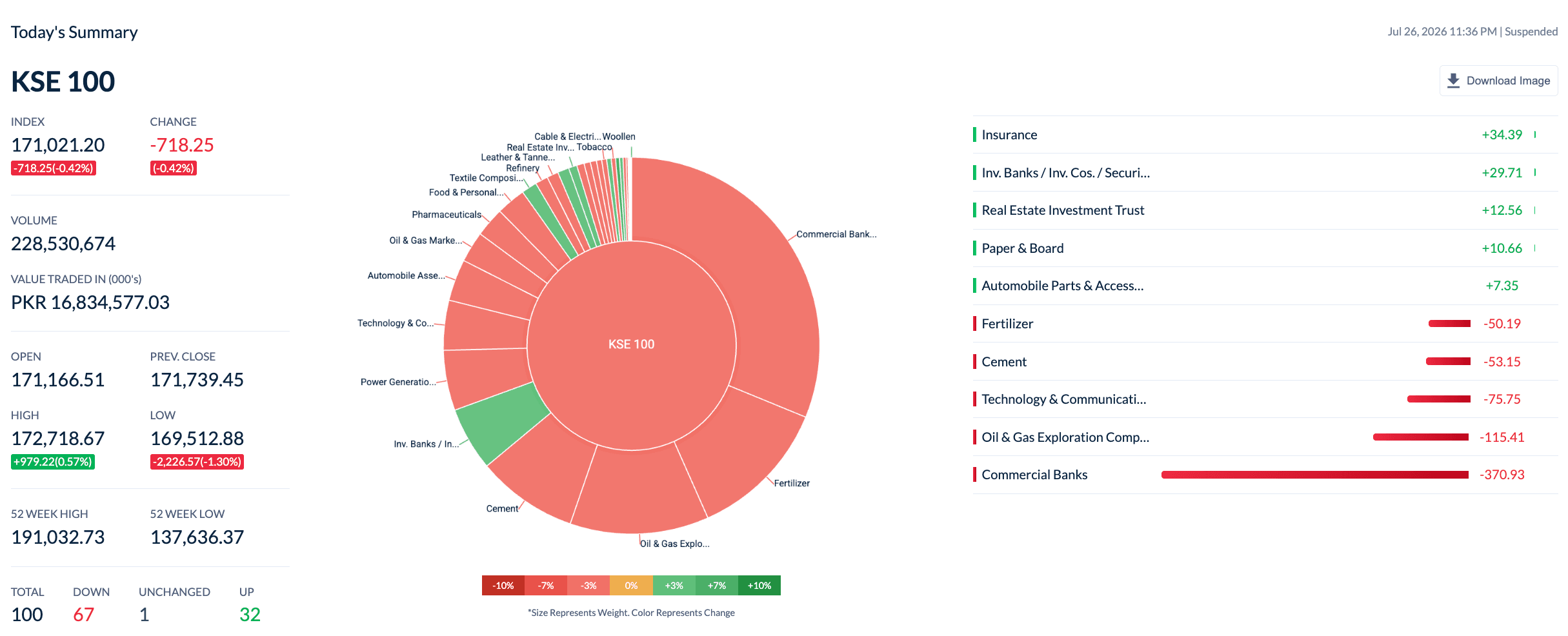
The Pakistan Stock Exchange remained under pressure for a third consecutive week, with the benchmark KSE-100 Index closing at 171,021.20 points, down 4,782 points (2.7%). Investor sentiment remained cautious amid ongoing geopolitical tensions in the Middle East, rising global oil prices, and uncertainty ahead of the State Bank of Pakistan's monetary policy decision. As a result, many investors chose to stay on the sidelines, leading to broad-based selling across the market.
Credits: StockIntel
FUNDS IN VIEW
Can a barrel of oil in the Middle East make your cup of chai more expensive? Surprisingly, yes.
As oil prices dominate the headlines this week, we've published a simple explainer showing how higher crude oil prices flow through the economy, increase inflation, and affect your savings. We also explore how Money Market Mutual Funds can help your money keep pace with rising living costs.
📖 Read: How a Barrel of Oil in the Desert Makes Your Cup of Tea More Expensive