Pulse
🌍 Geopolitics, 🧾 Budget, 📊 Markets
This week was shaped by shifting geopolitical tensions, active fiscal and tax policy debates, and mixed signals from the economy. While relief measures and external inflows supported sentiment, inflation pressures and policy uncertainty kept markets cautious as investors looked for clearer direction ahead.
Another Week, Another Pulse!
The week opened with heated conversations around Pakistan’s Budget 2026-27, as citizens, businesses, and investors tried to decode what the new fiscal year could mean for inflation, taxes, and growth. While some welcomed relief measures, others questioned whether the budget goes far enough to address economic pressures faced by ordinary Pakistanis.
In a widely anticipated move, the State Bank of Pakistan kept interest rates unchanged at 11.5%, signaling a cautious approach as inflation risks continue to linger despite improving macroeconomic indicators. Investors initially found comfort in signs of stability, especially after reports emerged that the United States and Iran had resumed diplomatic engagement through negotiations in Switzerland. However, regional tensions quickly returned to the spotlight after renewed fears surrounding the possible closure of the Strait of Hormuz following Israeli attacks in Lebanon, once again rattling global markets and investor confidence.
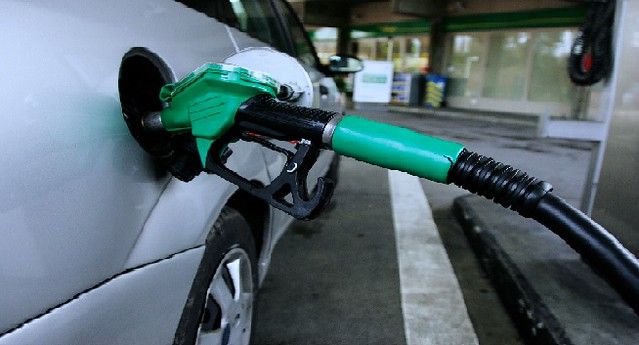
Pakistanis received some immediate relief at the fuel pump as the government announced a major reduction in petroleum prices, slashing petrol by Rs74 per litre and diesel by Rs67 per litre. The move is expected to ease transportation costs and provide temporary breathing room for inflation-hit consumers.
Meanwhile, digital creators and influencers found themselves at the center of tax discussions after a parliamentary committee approved a proposed 5% tax on earnings generated through social media platforms by both local and foreign content creators under the Finance Bill 2026. The proposal sparked debate around documentation of the digital economy and taxation of online income streams.
On the external financing front, Pakistan received a significant boost after the Asian Development Bank approved a $700 million policy-based loan aimed at strengthening the country’s insurance sector and supporting broader economic reforms. At the same time, foreign economic assistance inflows surged nearly 75% to $12.1 billion during July-May FY26, largely supported by IMF-related program financing.
There was further encouraging news for the economy as Pakistan’s current account posted a surplus of $459 million in May, pushing the cumulative balance for the first eleven months of the fiscal year back into surplus territory. However, inflation concerns remained alive, with the Sensitive Price Index rising 15.28% year-on-year for the week ending June 20, mainly driven by sharp increases in perishable food prices.
Climate and taxation policies also remained under discussion throughout the week. Parliamentary committees raised concerns over the proposed carbon levy, warning that reduced duties on scrap imports could create environmental risks. At the same time, an increase in Islamabad’s token tax is expected to impact middle-class vehicle owners. Experts also criticized climate allocations in the federal budget, arguing that Pakistan still lacks sufficient investment to move toward a climate-resilient and sustainable economy despite facing growing environmental threats.
The government also decided to review the proposed Telecom Reorganization Amendment Bill 2026 after strong opposition from the Pakistan Peoples Party and criticism from lawmakers and the public. Several provisions related to telecom infrastructure installation triggered concerns over governance and implementation.
In another major taxation development, the National Assembly Standing Committee on Finance approved a proposal to impose capital gains tax on inherited properties and plots, aiming to bring greater clarity and transparency to inherited asset transactions. Punjab also introduced a significant property tax reform by making online payment of property tax mandatory in the upcoming fiscal year.
International ratings agency Fitch Ratings warned that Pakistan’s aggressive spending cuts to reduce the budget deficit could slow economic growth in the years ahead, particularly if development spending continues to shrink.
On the regulatory front, the Securities and Exchange Commission of Pakistan remained highly active this week. The SECP announced progress toward establishing Pakistan’s first Financial Services Dispute Resolution Centre, aimed at resolving disputes involving banks, insurers, and investors more efficiently and at lower cost.
SECP Chairman Dr. Kabir Ahmed Sidhu also unveiled plans to modernize financial sector training through the restructuring of the Capital Market Institute. New courses focusing on fintech and evolving financial practices are expected to prepare professionals for the changing financial landscape. In parallel, the SECP directed the Pakistan Mercantile Exchange to develop a roadmap for physically deliverable agricultural futures contracts, a move designed to modernize commodity trading and improve price discovery for farmers.
At the Pakistan Stock Exchange, Dr. Sidhu reiterated the regulator’s ambition to increase the number of investors in Pakistan to 2.5 million. He emphasized financial literacy, digital finance, and youth participation as critical pillars for Pakistan’s long-term economic future, announcing plans for short online financial literacy programs to improve public understanding of investing and wealth creation.
Globally, diplomatic developments dominated headlines as leaders from Pakistan, the United States, and Qatar expressed optimism that ongoing negotiations in Switzerland could contribute toward global peace, economic cooperation, and regional stability. Iranian negotiators confirmed that discussions with the United States included talks on frozen assets and potential oil sanctions relief, developments closely watched by global energy markets.
As the new week begins, investors will continue tracking inflation trends, budget implementation, regional geopolitical tensions, and signals from global markets to gauge where Pakistan’s economic momentum heads next.
📅 Key Events to Watch This Week
📆 June 25, 2026 💵 Foreign Exchange Reserves Update
📆 June 26, 2026 🛒 Weekly Sensitive Price Index (SPI) Release
Note: These dates are tentative and subject to change. Credits: Pulse by Capital Stake
STOCK MARKET
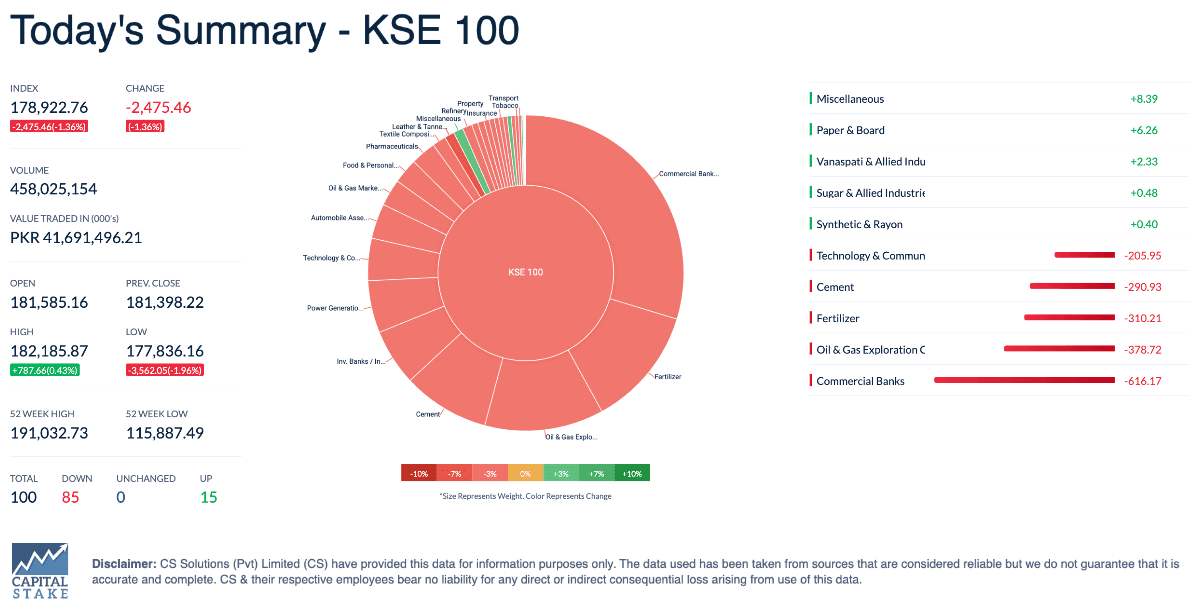
The Pakistan Stock Exchange (PSX) remained bullish during the outgoing week, with the benchmark KSE-100 Index briefly crossing the 180,000-point mark for the first time since February before losing momentum in the final session.
Investor sentiment stayed positive on expectations of progress in US-Iran diplomacy and easing oil prices. However, renewed geopolitical tensions in the Middle East and the cancellation of scheduled US-Iran talks triggered profit-taking on Friday, causing the market to close lower by the end of the week.
Credits: StockIntel
Service Long March Tyres Officially Listed At PSX After Historic IPO
Service Long March Tyres Limited (SLM) was officially listed on the Pakistan Stock Exchange after raising Rs. 7.78 billion in Pakistan’s largest-ever IPO, highlighting strong investor confidence in the local equity market. The offering saw record participation from both institutional and retail investors, with demand far exceeding the shares available. The successful listing is expected to encourage more companies to raise capital through the stock market, while investors will now closely watch how the company utilizes the funds to expand operations and deliver future growth.
FUNDS IN VIEW
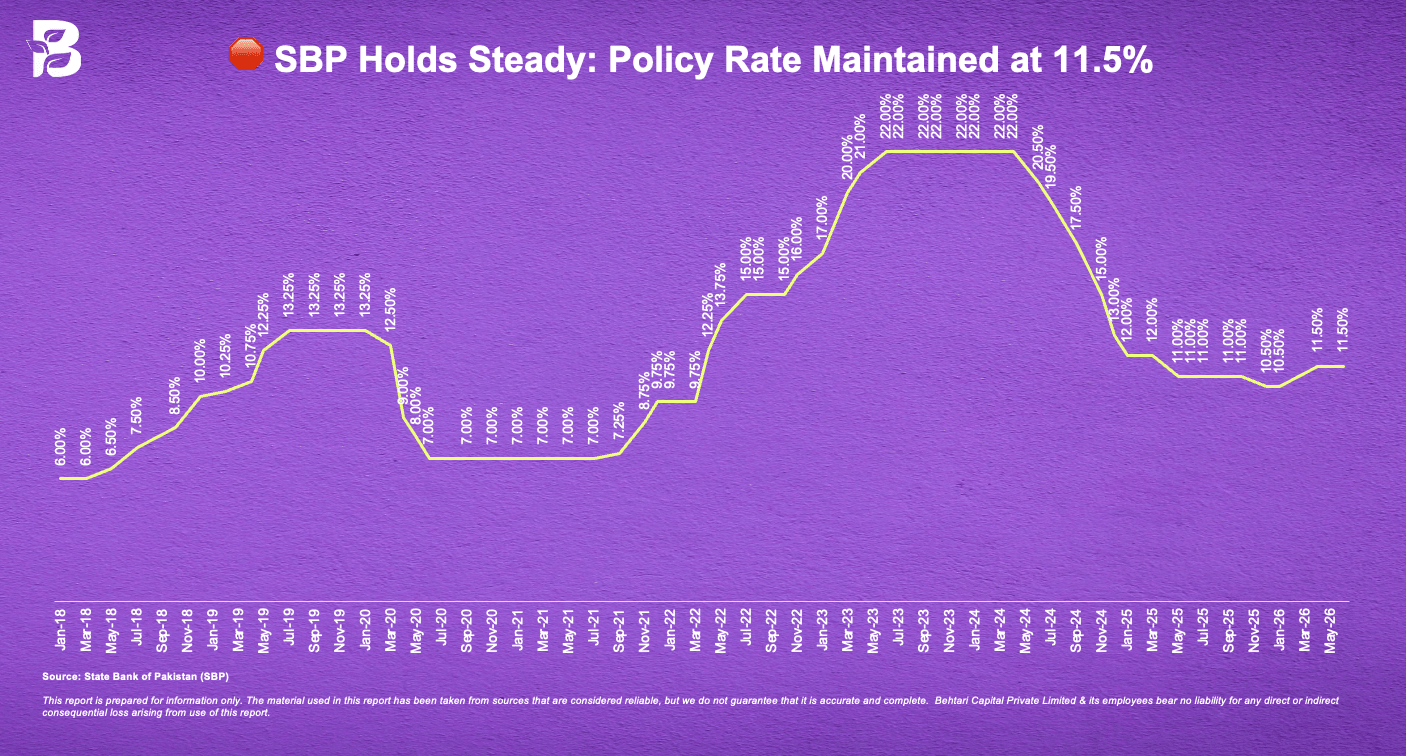
SBP Keeps Policy Rate Unchanged at 11.5%
The State Bank of Pakistan (SBP) has maintained its interest rate at 11.50% for the June 2026 cycle.
Credits: Behtari
Stay updated and review your fund performance anytime at http://behtari.com